A closer look at Bovine Coronavirus in calves
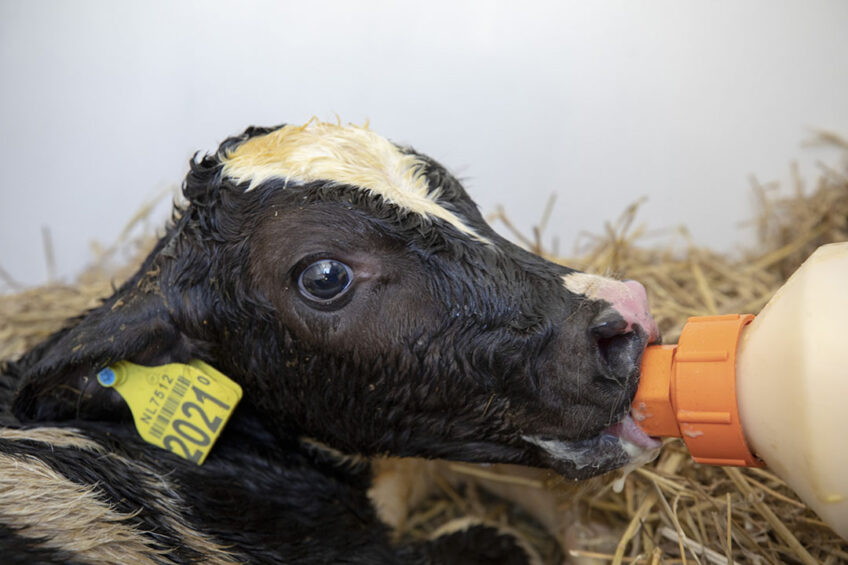
Bovine Coronavirus (BCoV) infection in calves causes major economic losses to the dairy (and beef) industry worldwide. We dig deep into what the respiratory signs of the infection are, treatment, and control measures. Bovine coronavirus (BCoV) is a major viral pathogen associated with respiratory tract disorders and enteric disease problems in the neonatal calf. The virus is shed both through respiratory and enteric secretions in high amounts (1 billion virus particles per ml) for up to 14 days
Get full access to all stories on Dairy Global
This Premium article is exclusively available for subscribers
Obtain insights from exclusive interviews
Dive into articles covering trending industry topics
Get a glimpse into dairy farms worldwide
All the news is brought to you by experienced editors and experts from around the world

Zana
van Dijk

Chris
Mccullough

Samaneh
Azarpajouh