How housing impacts stress levels in calves
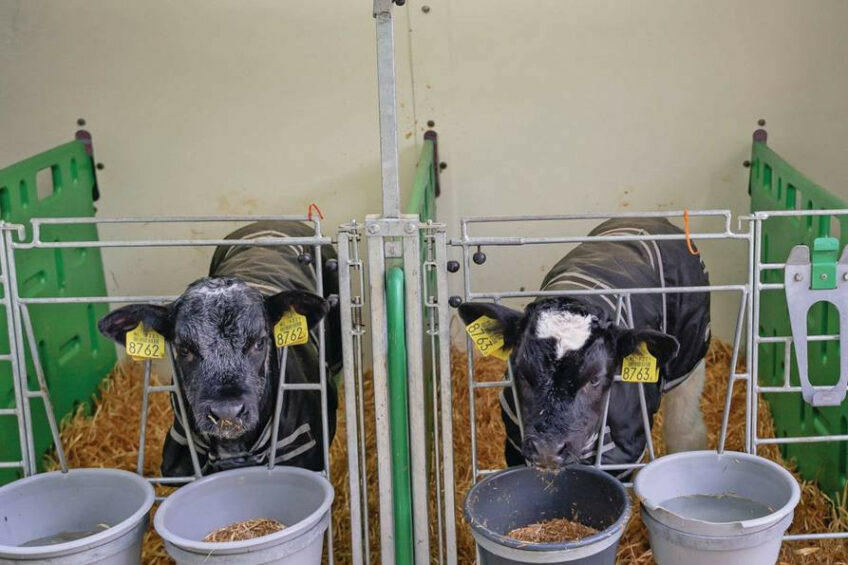
From single to double pens for calves, the housing method for young calves has come under the spotlight in a German research project. How housing increases and lowers stress was explored in the study.
This topic was reported on by Wochenblatt für Landwirtschaft und Landleben, a German weekly trade journal, based on research from the German InnoRind project.
In the study, calves were housed in single and double pens in a mobile calf barn, single igloos, and double igloos with an outdoor run under a canopy. Diet did not differ between the study groups. Half of the calves were moved to a larger group with an automatic waterer after 2 weeks, while the other half was moved after 4 weeks.
Stress levels in housing
Although pair housing promotes contact between calves, these animals had higher levels of the stress hormone cortisol. According to the researchers, this could indicate an unstable hierarchy among the calves and a lack of opportunities for isolation.
However, calves housed in igloos had lower cortisol levels. In an igloo with an outdoor area, calves have more surface area at their disposal.
Moving calves
Even when the calves were moved, the animals that were moved in larger groups at 2 weeks of age showed a lower stress response than those moved at 4 weeks. However, the calves moved at 2 weeks of age did appear to grow less than the 4-week-old calves in the first 4 weeks after moving. This growth deficit was compensated for in the subsequent period.
Keeping calves in pairs and moving them together can reduce the stress of the transition, because calves rely on each other for support.
Join 13,000+ subscribers
Subscribe to our newsletter to stay updated about all the need-to-know content in the dairy sector, two times a week.