

The calf milk that saves time, money and calves

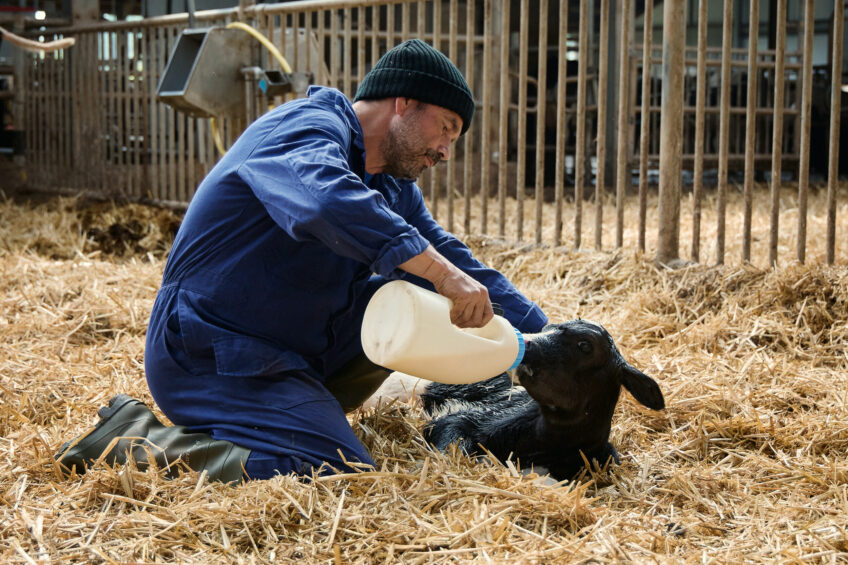
Walk into any calf barn at dawn, and often you will hear the same thing: a sigh from the farmer who spots yet another scouring calf. Diarrhoea, inconsistent growth, underperforming heifers — it is the story that too many farms are stuck in. The extra time spent treating sick calves, cleaning pens and worrying about losses means the farm never runs as smoothly as it should, adding stress to an already busy day. But it does not have to be this way.
As 2026 approaches, dairy farmers across Europe are staring down a tough mix of challenges. Nitrogen caps, herd size restrictions, rising input costs — it is getting harder to make every cow count. Efficiency is no longer a bonus — it is a necessity. And the best place to start making a difference? At the very beginning: calf feeding.
Don’t just feed. Nurture
Early-life nutrition shapes both the success of calf growth and their overall lifetime performance. Years of human subject research have shown that poor early nutrition increases the risk of metabolic disorders later in life, such as obesity and diabetes. In calves, the story is similar. A weak nutritional start can stunt immune development, suppress growth, and limit the future milk-making capacity of the udder.
We have known for years that whole milk does more than just provide energy for calf growth and development. It sends biochemical messages that help the calf develop a strong gut, a robust immune system, and an efficient metabolism. It is nature’s way of preparing the animal for a productive life.
The science behind metabolic programming
Scientists have taken a hard look at early-life calf nutrition and turned it into a science-backed strategy. Researchers at Trouw Nutrition have developed a calf milk formulation designed to replicate natural biochemical signaling in milk, known as the LifeStart approach.
At the heart of LifeStart is a concept called metabolic programming. It means that the way you feed calves in the first few weeks has long-term consequences — good or bad — for how that animal grows, performs, and resists disease.
In 2011, Trouw Nutrition launched a study at a commercial research farm to better understand how early nutrition influences calf development and cow performance. Calves were tracked from birth through five lactations. The goal was to see if better pre-weaning nutrition really makes a lasting difference.
Calves fed according to a calf-centric feeding approach in the first weeks showed:
- Improved growth rates in the first 70 days
- Stronger immune systems
- Higher milk production later on
- Greater chances of conception at first service
Perhaps most importantly, these animals had a 50% lower risk of being culled before the third, fourth, or fifth calving. Calves in the study exhibited improved growth and health metrics, remaining productive for an average of 300 additional days.
What changed in the milk?
Most standard calf milk replacers are designed for cost, not calf development. But the calf’s biology is more sophisticated than we give it credit for.
In the first days of life, a calf’s gastrointestinal tract (GIT) is highly permeable, allowing large molecules such as immunoglobulins from colostrum to pass directly into the bloodstream. As the cow transitions from colostrum to milk, there is a shift in the permeability of the calf’s intestinal lining. The subsequent closing of the gut balances nutrient uptake with defence, allowing the calf to absorb nutrients efficiently while minimising pathogen entry during early development. It also signals the development of the rumen, helping to prepare the calf for eating solid feed and forage later in life.
Scientists at Trouw Nutrition conducted research that has led to a scientific discovery showing how the fatty acid profile of milk drives gut maturation in calves. They found that specific fatty acids, such as butyric acid (C4:0), play a key role in maturing the gut. The scientists also discovered that the balance of fat types in milk influences how well calves absorb nutrients and how efficiently they use energy.
This has led to the development of a calf-centric-designed calf milk and feeding approach that includes:
- Balanced fat profile to match what’s in natural milk
- Inclusion of specific fatty acids that send developmental signals
- Nutritional density that supports faster growth and stronger immune responses
Calves fed on the calf milk formulation showed improved growth rates and health indicators by three months of age, with an estimated added value of €40 to €60 per animal. Field observations also noted a reduction in diarrhoea cases and overall improvement in calf vitality. These results suggest that optimised fat and nutrient profiles can contribute to better early-life development and lower health-related management costs.
For a farmer, the real benefit is walking into the calf barn and not seeing diarrhoea every morning. It is calves who don’t need extra treatments, drink eagerly, make it to first calving sooner and who then produce more milk in their first and second lactations. What farmers really want is less labour, better results, and more peace of mind.
In addition, government pressure on sustainability has reinforced policies that reduce antibiotic use and improve animal welfare. A science-based feeding approach such as LifeStart supports compliance with sustainability goals while contributing to long-term herd productivity.
Future-proofing the dairy herd
LifeStart is not a quick fix but a change in how calf nutrition is viewed, shifting the focus from short-term outcomes to long-term animal performance. Rather than treating calves as an expense, it emphasises their role in the herd’s future productivity. As the industry continues to face regulatory and economic challenges, evidence-based nutrition programmes can help producers achieve consistent, measurable results without adding unnecessary complexity.
Final thoughts
The early weeks of life shape everything that comes after. And while you can’t control milk prices or government policy, you can control how your calves start out in life. By mimicking nature’s signals and fuelling development, LifeStart offers a smarter way of raising calves and, ultimately, better-performing cows, fewer health setbacks, and a more efficient, resilient herd.
In a time when every cow counts, every day of milking matters, and every euro spent needs to pay off, LifeStart simply makes sense.
Join 13,000+ subscribers
Subscribe to our newsletter to stay updated about all the need-to-know content in the dairy sector, two times a week.


