BCG vaccine study aims to boost disease resistance in cattle
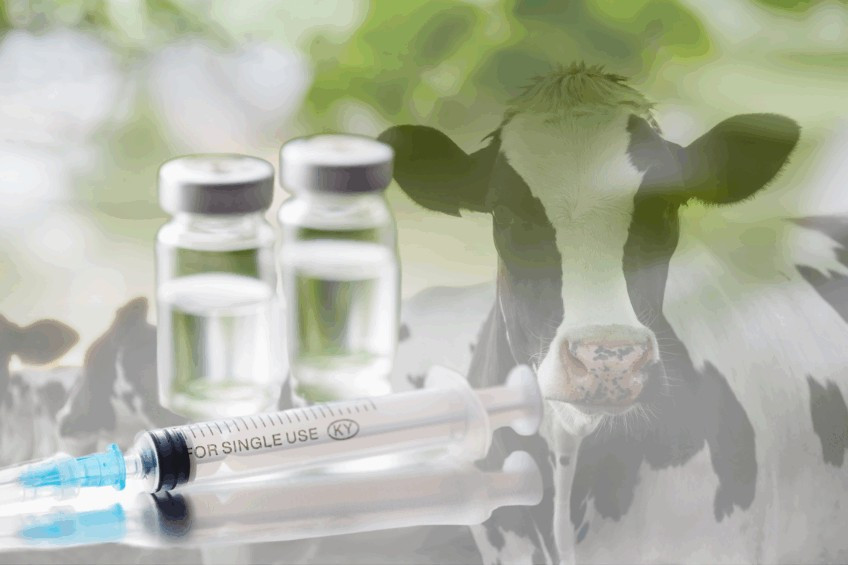
Scientists at Aberystwyth University are exploring how a common vaccine could train livestock immune systems to fight infections more effectively. The research also aims to improve feed efficiency, supporting healthier herds and more sustainable farming.
The 4-year study will investigate the concept of ‘trained immunity’ – a form of immune memory triggered by a vaccine, which reprogrammes the immune system to respond more effectively to future unrelated infections.
The research team will study the impact of the BCG vaccine, which is hoped to be used to help control tuberculosis in cattle, and has been demonstrated to trigger trained immunity.
Uncovering immune system mechanisms
Using advanced lab techniques and cattle tissue samples, the team will study the molecular mechanisms that lead to trained immunity in vaccinated livestock.
By cutting the risk of infectious disease and improving resilience, the approach could help safeguard milk and beef supplies, while also easing some of the economic pressures faced by livestock producers.
Researchers say the benefits would extend beyond animal health. Stronger disease resistance means fewer losses, less veterinary intervention and improved productivity — gains that could help UK farmers remain competitive in a challenging marketplace.
The study could lead to healthier livestock, reduced reliance on antibiotics, and lower environmental impacts, including farming’s carbon footprint due to enhanced animal feed efficiency.
Leading the research programme
Dr Amanda Gibson, lecturer in innate immunology at the Sêr Cymru Centre of Excellence for Bovine Tuberculosis, is leading the research. She said: “This is a fantastic opportunity to explore the potential of trained immunity in livestock and to contribute to the development of more sustainable and resilient farming systems. I’m excited to work with colleagues across disciplines and sectors to deliver research that can make a real-world impact on animal health and environmental sustainability.”
Professor Iain Barber, pro vice-chancellor of the Faculty of Sciences at Aberystwyth University, added: “Dr Gibson’s work addresses some of the most pressing challenges in animal health and sustainable agriculture.”
Gibson will collaborate with partners including the Animal and Plant Health Agency (APHA), the Office of the Chief Veterinary Officer for Wales, Arwain DGC (Defnydd Gwrthficrobaidd Cyfrifol/Responsible Antimicrobial Use), and The Roslin Institute.
Dr Camille Harrison, lead scientist for bovine tuberculosis at APHA, said: “I look forward to working more closely with Dr Amanda Gibson and her team to develop collaborative projects that support TB eradication efforts and deepen our understanding of immunological pathways.”
Supported through UKRI fellowship
The work is supported by a UK Research and Innovation (UKRI) Future Leaders Fellowships, awarded to Gibson in recognition of her leadership in the field of immunology and animal health.
UKRI chief executive, Professor Sir Ian Chapman, said: “UKRI’s Future Leaders Fellowships offer long-term support to outstanding researchers, helping them turn bold ideas into innovations that improve lives and livelihoods in the UK and beyond. These fellowships continue to drive excellence and accelerate the journey from discovery to public benefit. I wish them every success.”
Join 13,000+ subscribers
Subscribe to our newsletter to stay updated about all the need-to-know content in the dairy sector, two times a week.