Selection strategies for thermotolerance in dairy cattle
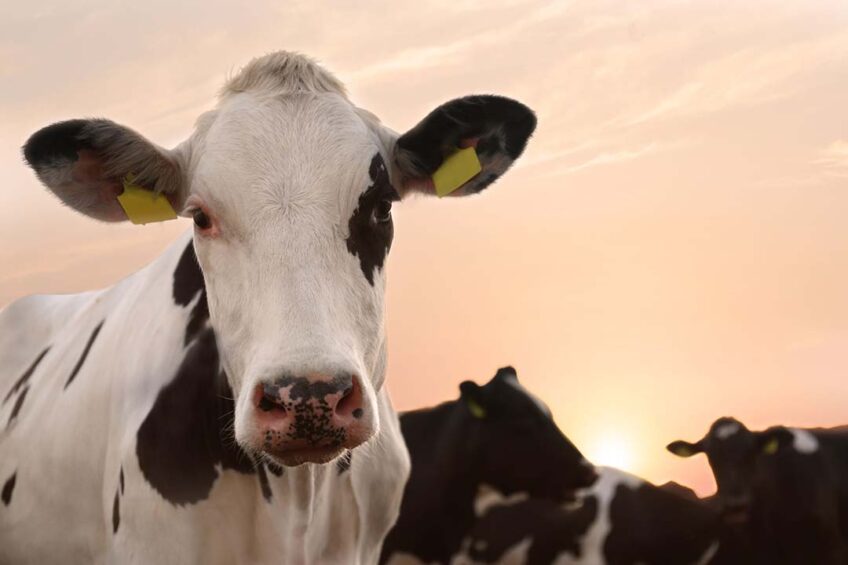
Climate change is driving the increase in frequency of hot days and heat waves. In turn, this increases the risk of heat stress in livestock with dairy cattle the most susceptible due to their high metabolic heat load. In a recent study, researchers highlight the pros and cons of the various selection strategies for thermotolerance in dairy cattle. Reports show that heat stress, which is a serious issue for dairy cattle, will continue to persist as long as climate change continues. Heat stres
Get full access to all stories on Dairy Global
This Premium article is exclusively available for subscribers
Obtain insights from exclusive interviews
Dive into articles covering trending industry topics
Get a glimpse into dairy farms worldwide
All the news is brought to you by experienced editors and experts from around the world

Zana
van Dijk

Chris
Mccullough

Samaneh
Azarpajouh