

Dairy cow nutrition and mastitis

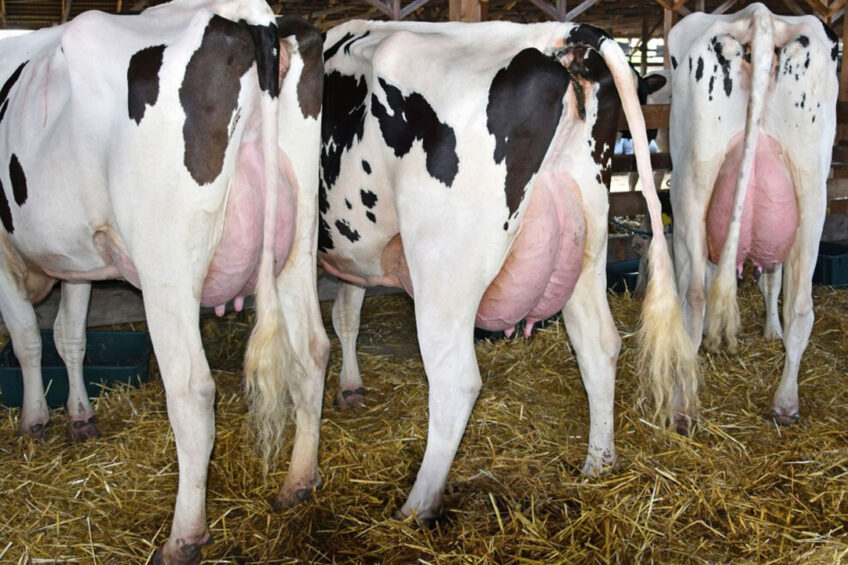
Financial losses due to mastitis are mainly associated with significantly lower milk production and milk quality, additional labour, and an increase in veterinary service costs for farmers and for the dairy processors in a lower milk to cheese yield ratio. To date, mastitis, together with lameness, is considered the number one reason for dairy cow culling globally. Here we explore the role of nutrition in preventing mastitis. In almost all cases, mastitis infection is transmitted horizontally
Get full access to all stories on Dairy Global
This Premium article is exclusively available for subscribers
Obtain insights from exclusive interviews
Dive into articles covering trending industry topics
Get a glimpse into dairy farms worldwide
All the news is brought to you by experienced editors and experts from around the world

Zana
van Dijk

Chris
Mccullough

Samaneh
Azarpajouh



