Not all post‑milking teat dips perform the same

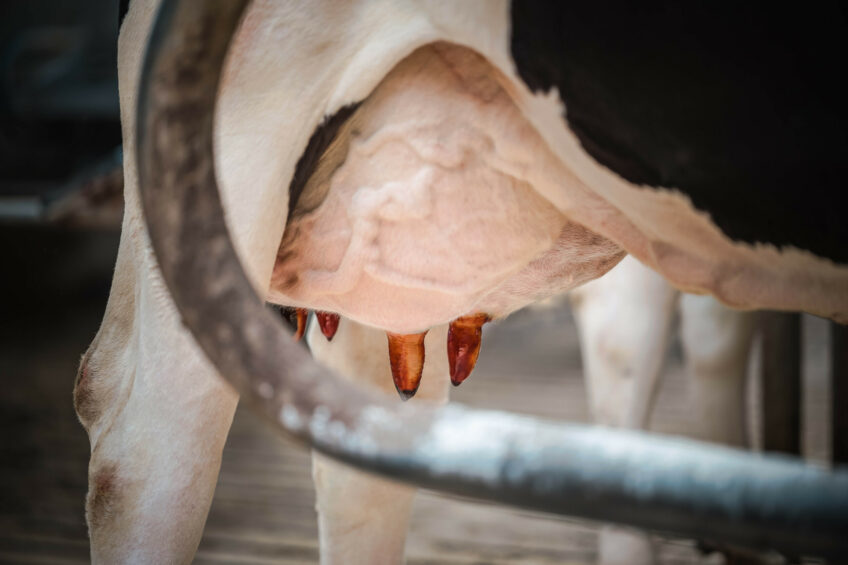
Maintaining good teat skin condition is a key component of mastitis prevention. Several studies have demonstrated that teat skin condition is significantly associated with bacterial load on dairy cow teats, with rough teat skin or teat ends harbouring higher levels of environmental and contagious mastitis pathogens, thereby increasing the risk of new intramammary infections.
In a study conducted by Ghent University and M-Excellence, the effect of a post-milking teat dip containing Emulsiocare technology on teat skin condition was assessed and the relationship between teat skin health and teat bacterial load under commercial dairy farm conditions was considered.
Materials and methods
This study was conducted on a commercial dairy farm with 82 lactating cows housed in a free stall barn and milked in a 2×6 fishbone parlour. From this herd, 36 cows were selected and allocated to either an Emulsiocare group (24 cows) or a control group (12 cows), based on parity, stage of lactation, stage of gestation and initial teat skin condition.
Teat skin condition was scored, and residual teat skin bacterial load was assessed at the start of the study (day 0) and during follow up visits every 2 weeks, up to 12 weeks. Swabs were taken after standard teat preparation to quantify residual contamination with Staphylococcus spp. and Streptococcus and Streptococcus-like organisms (SSLO).
Results: Teat skin condition
Over the course of the study, clear differences were observed between the 2 groups. In the Emulsiocare group, a significant teat skin condition improvement was measured.
 When expressed as the probability of having a dry or very dry teat skin score, cows treated with Emulsiocare consistently showed a lower risk compared with controls during the study period.
Results: Relationship between teat skin condition and bacterial load
A strong association was identified between skin condition and residual bacterial load.
The bacterial load for SSLO and Staphylococcus spp., with dry and very dry teat skin is associated with higher bacterial counts compared with normal teat skin.
These results confirm that compromised teat skin creates a more favourable environment for bacterial persistence on the teat surface.

Impact of post-milking teat disinfection choice
The study clearly showed that the choice of post-milking teat disinfection product influenced both:
- teat skin condition, by supporting the preservation or improvement of skin integrity over time,
- residual teat skin bacterial load, by limiting the levels of mastitis associated bacteria on the teat surface.
Emulsiocare technology demonstrated its ability to combine effective post-milking disinfection with improved teat skin care, addressing 2 critical factors in mastitis prevention simultaneously.
Practical take-home messages
- Teat skin condition directly drives bacterial load: healthy skin is associated with low residual contamination, while dry to very dry skin is linked to increased Staphylococcus spp. and Streptococcus/SSLO levels.
- The selection of an appropriate post-milking teat disinfectant is a key management decision, as it directly affects both teat skin health and bacterial contamination.
- Under commercial farm conditions, Emulsiocare technology supported healthier teat skin and helped reduce the risk factors associated with mastitis pathogens
Join 13,000+ subscribers
Subscribe to our newsletter to stay updated about all the need-to-know content in the dairy sector, two times a week.