Belgium suspends IBR vaccination ban
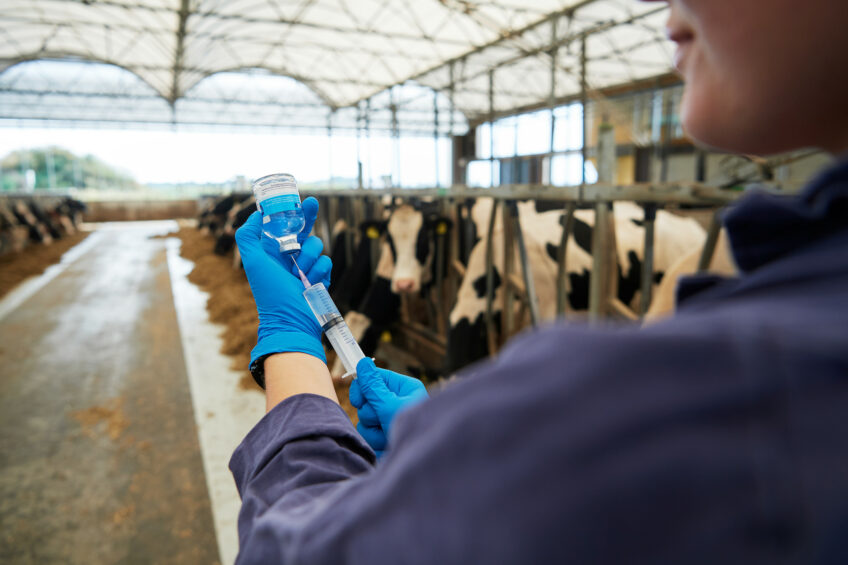
The Belgian Ministry of Health has postponed the general vaccination ban against Infectious Bovine Rhinotracheitis (IBR) until 1 November 2027.
The vaccination ban was originally scheduled to take effect on 1 November 2025 but has been suspended due to repeated outbreaks of IBR. For this reason, the ban, originally scheduled to take effect on 1 April 2025, had already been postponed by 6 months.
Postponing the vaccination ban does not mean that the current rules no longer apply. Vaccination remains mandatory on farms where IBR has been detected and on farms with an “infected” status. The vaccination ban remains in effect for farms with an IBR-free or “unsuspected” status.
IBR continues to emerge
Despite the Belgian INR control programme, the livestock sector is unable to fully control the disease. In November, the animal health organisation DGZ reported 5 new IBR cases. Up to and including November, the number of reinfected farms stands at 48. According to DGZ, all new cases are linked to trade. Because the virus is also found on vaccinated farms, DGZ states that biosecurity on many farms is inadequate. Most infected farms are located in West Flanders, with 2 others near the Dutch border near Hoogstraten and Hamont-Achel.